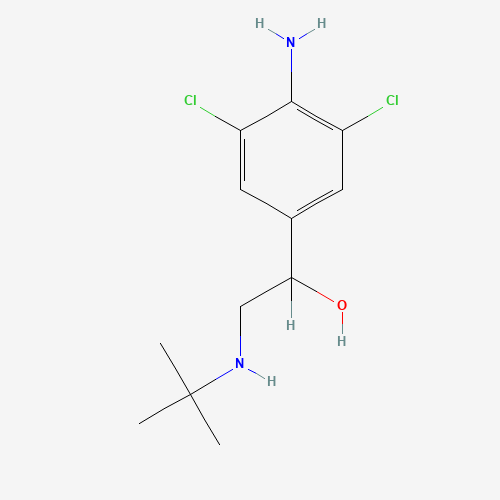
What is Clenbuterol?
Clenbuterol is a medication that belongs to a class of drugs called beta-2 adrenergic agonists. It was initially created to treat respiratory diseases like asthma and bronchodilates the airways by relaxing the smooth muscles there. As a result, breathing is made simpler, and airflow to the lungs is improved. In addition to its medical use, clenbuterol has grown in favor in the bodybuilding and fitness industries due to its potential for both muscle preservation and fat removal. The beta-2 adrenergic receptors are thought to be stimulated, which can boost metabolism and encourage lipolysis (the breakdown of stored fat). As a result, some people might use clenbuterol as a performance-enhancing substance to help with muscle definition and weight loss.
It is crucial to remember that clenbuterol is not permitted for usage in humans in many nations, including the USA. It can have serious health hazards and adverse effects if used without medical supervision. Tremors, sleeplessness, high blood pressure, an accelerated heart rate, and even cardiac enlargement may be among them. Before considering the use of clenbuterol, it is essential to speak with a healthcare provider and to follow all applicable laws and safety precautions.
Clenbuterol Research
Due to its potential medicinal uses, notably in the treatment of respiratory diseases and its effects on fat loss and muscle preservation, clenbuterol is a substance that has been the focus of substantial investigation. The main clenbuterol research findings are summarized in this section.
Respiratory Conditions:
The use of clenbuterol as a bronchodilator to treat respiratory disorders like asthma and chronic obstructive pulmonary disease (COPD) is an important field of research. According to studies, it has the power to relax the smooth muscles in the airways, which enhances breathing and increases airflow. Its potential advantages in lowering mucus production and airway inflammation have also been studied in research.
Fat Loss and Muscle Preservation:
The possible effects of clenbuterol on fat loss and muscle preservation have attracted the attention of the fitness and bodybuilding communities. According to studies, clenbuterol can activate the beta-2 adrenergic receptors, increasing metabolism, enhancing lipolysis (fat breakdown), and possibly even lean muscle mass. Positive outcomes in terms of fat loss and muscle protein synthesis have been shown in animal studies.
Performance Enhancement:
The possible performance-enhancing properties of clenbuterol have also been studied in research. Its potential to improve athletic performance, raise endurance, and support lean muscle mass has been studied. Clenbuterol use as a performance-enhancing substance is controversial, subject to legal limitations, and governed by anti-doping policies in many sports organizations.
Safety and Side Effects:
Although clenbuterol has demonstrated potential advantages, it is crucial to remember that it also involves dangers and adverse effects. Studies have documented harmful cardiovascular outcomes include accelerated heartbeat, raised blood pressure, and enlarged hearts. Tremors, sleeplessness, and electrolyte abnormalities are some more potential adverse effects. The usage of clenbuterol as a performance-enhancing or weight-loss supplement has also been linked to incidents of intoxication and toxicity.
Where to Buy Clenbuterol
Pinnacle Peptides offers Clenbuterol for purchase, specifically for research purposes. We are a recognized provider, guarantees the authenticity and high caliber of our research-grade products. Researchers may navigate our website with ease, choose Clenbuterol, and safely submit an order. It is significant to highlight that Clenbuterol for sale here is solely created for use in scientific and laboratory research, not for human use. Pinnacle Peptides is a trustworthy source for researchers looking to buy Clenbuterol online for their scientific investigations because they place an emphasis on responsible and ethical use of their products. When purchasing Clenbuterol for research, it is essential to adhere to all applicable laws, regulations, and guidelines governing its use, and Pinnacle Peptides supports these responsible research practices.
Disclaimer
The products we offer are intended for laboratory research use only. In purchasing any of these items, the customer acknowledges that there are risks involved with consumption or distribution of these products. These chemicals are NOT intended to use as food additives, drugs, cosmetics, household chemicals or other inappropriate applications. The listing of a material on this site does not constitute a license to its use in infringement of any patent. All of the products will be handled only by qualified and properly trained professionals. All customers represent and warrant that through their own review and study that they are fully aware and knowledgeable about the following: Government regulations regarding the use of and exposure to all products. The health and safety hazards associated with the handling of the products they purchase. The necessity of adequately warning of the health and safety hazards associated with any products. Pinnacle Peptides reserves the right to limit and/or deny sales of products to any unqualified individuals if we have reason to believe that misuse will occur.