What is Yohimbine?
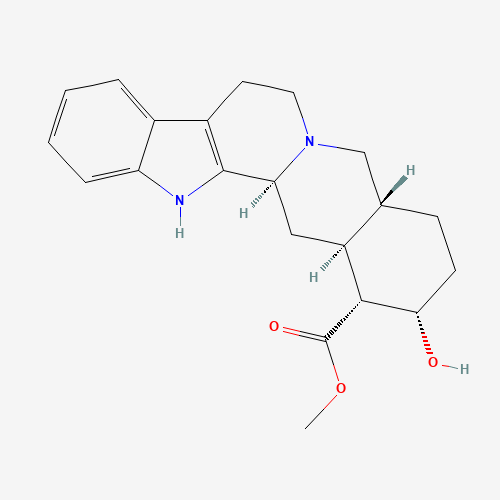
Yohimbine is a naturally occurring substance obtained from the bark of the African yohimbe tree (Pausinystalia yohimbe). It is well known for its possible impact on sexual health, fat metabolism, and vitality. Yohimbine functions as an alpha-2 adrenergic receptor antagonist, which might raise adrenaline levels and encourage lipolysis, thereby assisting in weight loss and enhancing physical performance. In addition, it's frequently used as a herbal supplement to enhance sexual health and treat erectile dysfunction symptoms. Yohimbine may have negative effects and interact with some drugs, therefore it is crucial to use it carefully and under medical supervision.
Yohimbine Research
Yohimbine, a naturally occurring substance derived from the bark of the yohimbe tree, has drawn considerable study interest because of its potential impact on a number of aspects of health and wellness. This article is a summary of the yohimbine research, emphasizing its uses in energy metabolism, weight management, sexual health, and other areas of study.
Energy Metabolism and Weight Management:
Yohimbine research has a significant field dedicated to studying how it affects weight management and energy metabolism. Studies have looked into how its function as an alpha-2 adrenergic receptor antagonist can promote lipolysis, the breakdown of accumulated fat. The processes by which yohimbine may boost energy expenditure and maybe aid weight loss attempts are being studied. To clarify its role in achieving the best body composition and controlling obesity, clinical trials investigate its efficacy as a supplement when combined with physical activity and calorie restriction.
Sexual Health and Erectile Dysfunction:
Yohimbine has been researched for its possible advantages in treating erectile dysfunction and other sexual health issues. Yohimbine may increase erectile function and sexual excitement by increasing blood flow to the vaginal area, according to research. Studies investigate its effectiveness as a stand-alone therapy or in conjunction with additional therapies, such as phosphodiesterase type 5 (PDE5) inhibitors or counseling. The research advances knowledge of yohimbine's mechanisms of action and its potential as an additional treatment for erectile dysfunction.
Adverse Effects and Safety Considerations:
Research on yohimbine also looks at possible side effects and safety issues. Studies look at the best dosage, possible drug interactions, and adverse effects of yohimbine use. These could consist of heart problems, anxiety, gastrointestinal problems, and high blood pressure. Yohimbine use guidelines are being developed, emphasizing the need for adequate dosage and care in specific populations, such as individuals with cardiovascular disease or mental health issues.
Other Areas of Investigation:
Yohimbine's potential uses go beyond energy metabolism and sexual health, according to other research areas. Its effects on mood and anxiety disorders, as well as its impact on memory and cognitive function, have all been the subject of research. Preclinical research have looked into its conceivable anti-inflammatory and anti-diabetic effects. Yohimbine's influence on exercise performance has also been studied, with research looking at its effects on strength, endurance, and tiredness.
Where to Buy Yohimbine
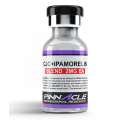
If you are looking to buy Yohimbine online for research purposes, Look no further than Pinnacle Peptides. Researches call for the use of authentic products like Yohimbine in their lead experiments. While you might be going through a dozen of websites for confirming the authentic supply of this formulation, at Pinnacle Peptides would be waiting for an opportunity for proving the authenticity of the products. At Pinnacle Peptides you can be sure of being served high quality products for lesser rates. We provide high-quality Yohimbine for sale that is ideal for scientific research. To assure purity and effectiveness, our products go through extensive testing. Pinnacle Peptides knows the value of accurate and trustworthy findings in study, which is why we offer top-notch Yohimbine to researchers. We got you covered whether you're researching energy metabolism, controlling your weight, sexual wellness, or other topics of interest. Purchase Yohimbine from Pinnacle Peptides and rely on our knowledge to help your research efforts. Yohimbine is made available in an attractive package of 10 mg vial at our online store. Derived originally from yohimbe tree bark, this product is especially imported for sale from western African countries. The purchase of this product can be clubbed with the other ones for gaining access to the discounted price list that this website has to offer. Check out the wide range of research peptides that Pinnacle Peptides has to offer. Special offers are always on for the researchers and scientists who opt for the purchase of research products through the online store on a regular basis.
Disclaimer
The products we offer are intended for laboratory research use only. In purchasing any of these items, the customer acknowledges that there are risks involved with consumption or distribution of these products. These chemicals are NOT intended to use as food additives, drugs, cosmetics, household chemicals or other inappropriate applications. The listing of a material on this site does not constitute a license to its use in infringement of any patent. All of the products will be handled only by qualified and properly trained professionals. All customers represent and warrant that through their own review and study that they are fully aware and knowledgeable about the following: Government regulations regarding the use of and exposure to all products. The health and safety hazards associated with the handling of the products they purchase. The necessity of adequately warning of the health and safety hazards associated with any products. Pinnacle Peptides reserves the right to limit and/or deny sales of products to any unqualified individuals if we have reason to believe that misuse will occur.