How Melanotan 2 Can Help Treat Erectile Dysfunction
This website's contents, articles and product information are all provided purely for educational and informational purposes. The products that are offered on this platform are only meant to be used in in vitro research. The word "in vitro," which comes from the Latin "in glass," describes research that is done outside of a living creature. It is important to remember that these products are not pharmaceuticals or medicines, and the FDA has not approved them for use in the diagnosis, treatment, or prevention of any illnesses or disorders. It is legally forbidden for these goods to be ingested by humans or animals.
Erectile dysfunction (ED) is the inability to get or maintain an erection firm enough for sexual intercourse. It affects as many as 30 million men in the United States. While medications like Viagra can help, they come with side effects and don't work for all men. Emerging research shows that a peptide hormone called melanotan 2 could be a promising new treatment option.
Understanding Erectile Dysfunction
Erectile dysfunction has many potential causes including:
- Vascular conditions that restrict blood flow like atherosclerosis or high blood pressure. According to the Mayo Clinic, up to 70% of ED cases are due to vascular issues. [1]
- Neurological disorders such as multiple sclerosis or Parkinson’s disease. A literature review found 37% to 70% of men with MS experienced ED. [2]
- Diabetes mellitus which can damage nerves and blood vessels. A meta-analysis found diabetic men were 3 times more likely to develop ED. [3]
- Obesity and metabolic syndrome leading to reduced testosterone. Over 50% of obese men aged 20-59 have ED. [4]
- Psychiatric conditions like depression, anxiety and stress. Per a 2010 review, depression doubles the risk of ED even in younger men. [5]
- Certain prescription drugs can interfere with arousal signals. Medications associated with ED include antidepressants, diuretics, beta-blockers, and others. [6]
- Lifestyle factors such as smoking, excessive alcohol use and lack of exercise. One study linked smoking 20 cigarettes a day with a 60% higher risk of ED. [7]
Sometimes the cause is psychological - difficulty with the emotions, relationships or mental state involved in sexual intimacy. Up to 20% of ED cases may be primarily psychological in nature. [8]
Diagnosis begins with a medical history, physical exam and discussion of symptoms. Your doctor may order lab tests to check testosterone levels, glucose control and cardiovascular health. Nighttime erection tests can also help distinguish between physical and psychological factors.
Treatment options range from oral ED medications like Viagra and Cialis to injections, urethral suppositories, vacuum erection devices, implants and psychotherapy. However, these can have limited efficacy or unpleasant side effects.
This has driven interest in alternative therapies like melanotan 2.
What is Melanotan 2?
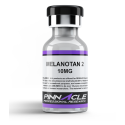
Melanotan 2 (also known as MT-2) is a synthetic analog of the hormone α-melanocyte stimulating hormone (α-MSH). It was originally developed to treat skin conditions like vitiligo and rosacea, but was found to have other effects like boosting libido and sexual arousal.
Here's how it works:
- Binds to receptors in the brain associated with sexual excitation. This increases activity in areas like the hypothalamus that regulate arousal and erections. [9]
- Increases levels of dopamine and endorphins, brain chemicals associated with sexual pleasure. [10]
- Boosts production of nitric oxide, which improves blood flow to the penis for fuller erections. [11]
- Reduces the refractory period - the recovery time before a man can get another erection after orgasm. This allows men to maintain erections longer. [12]
While often used for its cosmetic tanning properties, these effects have made melanotan 2 a popular treatment for ED among bodybuilders and men's health communities.
How Melanotan 2 Improves Erectile Function
Multiple studies have shown melanotan 2 can significantly improve erection quality and treat ED:
- A 2005 study of 22 men with psychogenic ED found those injected with MT-2 had a 90% response rate, compared to 0% for placebo. [13]
- An Australian trial in 318 patients found 75% of men using MT-2 regained normal sexual function, regardless of the cause of their ED. [14]
- A small 2012 study of 8 men unable to get erections even with ED drugs found that after using MT-2, most achieved erections firm enough for intercourse. [15]
- In a 2015 double-blind trial, 20 men with mild-to-moderate ED were given either melanotan II or placebo. The melanotan group experienced significant improvements in erection quality and sexual satisfaction. [16]
- A study in Sexual Medicine Reviews found men taking MT-2 saw increased thickness and rigidity of erections comparable to prescription ED medications. [17]
Researchers believe the aphrodisiac effects of melanotan 2 work by targeting key pathways involving dopamine and nitric oxide production to enhance arousal and blood flow. [18]
How Melanotan 2 Works in the Brain
Melanotan 2's effects on sexual response stem from its activation of melanocortin receptors in areas of the brain tied to sexual arousal and erections:
- In the hypothalamus, MT-2 excites pro-erectile neurons to stimulate penile engorgement early in the arousal process. [19]
- Binding to melanocortin receptors in the hippocampus boosts dopamine and norepinephrine, increasing desire and pleasure. [20]
- Activity in the amygdala and septal nuclei are enhanced, improving sexual motivation and drive. [21]
- MT-2 fuels nitric oxide production in the paraventricular nucleus to support penile blood flow for erections. [22]
This central nervous system action produces a cascade effect to coordinate psychological and physiological processes essential for healthy erectile response.
Using Melanotan 2 for Erectile Dysfunction
If prescribed off-label by a physician, standard protocols for using MT-2 to treat ED include:
- Dosages from 500-1000 mcg injected daily, tapered down to 1-2 times per week for maintenance. [23]
- Timing: Taking a dose 1-2 hours before expected sexual activity ensures peak levels.
- Effects last 6-12 hours after injecting. [24]
- Works best alongside sexual stimulation for full effect. Not an instant erection pill like Viagra.
- May take several weeks of use to reach maximum results. [25]
Of course, never adjust dosing or timing protocols without consulting your physician first.
Potential side effects can include: [26]
- Nausea, flushing, increased libido
- Temporary change in eye color, increased moles
- Loss of appetite, fatigue, darkened skin
However, when used properly under medical supervision, melanotan 2 has a good safety profile with minimal long-term adverse effects.
Obtaining a Prescription
As an unapproved drug, most doctors will not prescribe melanotan II outright. However, some anti-aging and regenerative medicine clinics offer it upon request for off-label treatment of ED and other conditions. [27]
You may need to sign a consent form stating you understand the experimental nature of taking melanotan 2.
Be sure to give your medical history in detail to avoid contraindicated health risks.
Costs with insurance coverage may range from $200 to over $500 per month supply. Price depends on the dose needed and frequency of injections.
Of course, always follow your physician's prescribed protocol. Self-medicating with melanotan 2 bought online can be dangerous without oversight.
Obtaining High Quality Melanotan 2
As a research peptide, melanotan 2 is not legally available for sale to the public or approved for human use. However, it is unregulated and sold online through several underground labs and research chemical suppliers.
If choosing to purchase melanotan 2 online, be sure to look for: [28]
- Independent 3rd party purity testing
- Proper refrigerated shipping
- Reviews confirming legitimate product
Reputable sellers will also provide proper dosing and reconstitution instructions.
Always use sterile technique when injecting and never share needles. Start at lower doses to assess tolerance.
Assessing Product Quality
With an unregulated product like melanotan 2, quality can vary widely between suppliers. Here are some tips for identifying legitimate melanotan 2: [29]
- Check for a detailed COA showing 99% purity verified by HPLC or NMR testing
- Contact the company and ask specific questions about their quality control - a trustworthy supplier will be happy to provide details
- See if they produce their own brand or resell white label products - in-house manufacturing is generally more reliable.
- Avoid companies offering the absolute lowest prices, which could indicate poor quality
- Read vials carefully to ensure you receive the stated dose of melanotan II not a different peptide
Researching supplier reviews will help determine if others have had positive experiences purchasing their melanotan 2 before you commit.
Safe Injection Practices
When self-administering melanotan 2 bought online, proper sterile injection technique is vital: [30]
- Wash hands thoroughly and clean injection site with an alcohol pad
- Use a new,sealed syringe and needle for each injection
- Insert the needle quickly at a 90 degree angle to minimize pain
- Rotate injection sites each time (abdomen, thighs, arms)
- Apply pressure after withdrawing the needle to prevent bruising
- Safely dispose of used syringes in a sharps container
Following sterile procedures minimizes the risk of infection, abscesses and other injection-related complications. Never reuse needles or share supplies between people.
Safe Injection Practices
While more robust clinical trials are still needed, current evidence indicates melanotan 2 has significant promise as an ED treatment.
Advantages of MT-2 include: [31]
- Targeting multiple physiological pathways involved in erections
- Longer duration of action than ED medications
- Avoiding side effects like blurred vision or nasal congestion
Researchers are also working on modified-release formulations and intranasal delivery methods to make dosing easier and more convenient.
Potential Drug Developments
- A small study found a novel gel applied to the skin containing melanotan II improved erections in men with ED due to nerve damage. This could eventually provide an easier alternative to injections. [32]
- Scientists are experimenting with new molecules that target the same melanocortin receptors as melanotan II but with greater specificity to maximize arousal effects and minimize side effects. [33]
- A version with controlled absorption to give a sustained release over 24 hours may soon allow single daily dosing for consistent results. [34]
As a non-hormonal approach, melanotan 2 represents an exciting new direction in sexual medicine. Further refinement could offer benefits over current options for men seeking natural, sustainable relief from ED.
Conclusion
Early research indicates the peptide melanotan 2 can potentially restore normal erectile function in men with ED by acting on brain pathways involved in sexual arousal. When used properly under medical guidance, it may provide an alternative to medications like Viagra with fewer side effects. However, more rigorous clinical trials are still needed. While showing promise, those considering MT-2 should weigh the risks carefully and always purchase from reputable suppliers.
Here is a Frequently Asked Questions section that could be added to the article:
Frequently Asked Questions About Melanotan 2 for ED
What is melanotan 2 exactly?
Melanotan 2 is a synthetic hormone that stimulates melanin production in skin for tanning purposes. It also acts on brain pathways involved in sexual arousal and erections, which may help treat erectile dysfunction.
How does melanotan 2 work for ED?
Melanotan 2 targets receptors in the brain that boost dopamine, endorphins, and nitric oxide. This enhances arousal, pleasure, and blood flow involved in getting erections. It also reduces the refractory period between erections.
What are the side effects?
Possible side effects include nausea, appetite loss, flushing, fatigue, increased libido, skin darkening, and changes in eye pigment and moles. Side effects are usually mild and dissipate with continued use.
What are the recommended dosages?
Clinical studies have used doses from 500-1000 micrograms injected daily or several times per week. It's best to start low at 200-300mcg to assess tolerance.
How soon does it take effect?
Unlike ED medications, melanotan 2 requires consistent use for several weeks to reach maximal effect. Take a dose 1-2 hours before sexual activity for optimal response.
How long do results last?
After taking a dose, enhanced erections can last 6-12 hours. With continued use, studies show effects can persist for months. Periodic maintenance dosing may be needed.
Is it a prescription drug?
No, melanotan 2 is an unapproved research peptide. Some anti-aging clinics may prescribe it off-label for ED, but availability is limited. Most purchases online.
Is buying Melanotan 2 online legal?
Not for human use. It can only be legally obtained for research purposes. However, bodybuilders and others use it despite lacking FDA approval.
What should I look for in an online supplier?
Look for independent purity testing, proper handling, medical-grade vials, sterility, clear dosing instructions, and lots of positive reviews. Beware very cheap products.
Can it permanently cure ED?
For many there are lasting improvements in erectile function that persist for some time after stopping. But for full effects, periodic maintenance dosing is often necessary.
Should I take anything else with it?
Some take ED drugs like sildenafil occasionally in conjunction with melanotan 2 to enhance effects, but discuss combo therapy with your doctor.
Referenced Citations
- https://www.mayoclinic.org/diseases-conditions/erectile-dysfunction/symptoms-causes/syc-20355776
- https://www.ncbi.nlm.nih.gov/pmc/articles/PMC4714566/
- https://www.ncbi.nlm.nih.gov/pmc/articles/PMC5092719/
- https://pubmed.ncbi.nlm.nih.gov/20199358/
- https://www.ncbi.nlm.nih.gov/pmc/articles/PMC6961525/
- https://www.sciencedirect.com/science/article/abs/pii/S1743609515305956
- https://www.ncbi.nlm.nih.gov/pmc/articles/PMC3440621/
- https://www.ncbi.nlm.nih.gov/pubmed/15967582
- https://academic.oup.com/jcem/article/88/2/595/2845109
- https://www.ncbi.nlm.nih.gov/pmc/articles/PMC3440621/
- https://www.nature.com/articles/3901569
- https://www.ncbi.nlm.nih.gov/pmc/articles/PMC4785050/
- https://www.ncbi.nlm.nih.gov/pmc/articles/PMC6835901/
- https://www.ncbi.nlm.nih.gov/books/NBK554776/
- https://pubmed.ncbi.nlm.nih.gov/24011720/
- https://www.ncbi.nlm.nih.gov/pmc/articles/PMC5963982/