Sermorelin Peptide and its Effect on Boosting Metabolism
This website's contents, articles and product information are all provided purely for educational and informational purposes. The products that are offered on this platform are only meant to be used in in vitro research. The word "in vitro," which comes from the Latin "in glass," describes research that is done outside of a living creature. It is important to remember that these products are not pharmaceuticals or medicines, and the FDA has not approved them for use in the diagnosis, treatment, or prevention of any illnesses or disorders. It is legally forbidden for these goods to be ingested by humans or animals.
Are you tired of feeling sluggish and struggling with a slow metabolism? You're not alone. As we age, many of us find our metabolism slowing down, making it harder to maintain a healthy weight and energy levels. But there's an innovative therapy that could be the solution you've been searching for to rev up your metabolism and regain your youthful vitality: Sermorelin therapy.
What is Sermorelin Therapy?
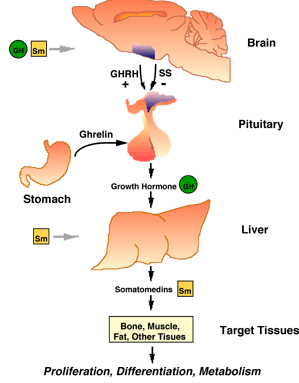
Sermorelin is a bio-identical hormone that stimulates the pituitary gland to produce more growth hormone (GH). Growth hormone plays a crucial role in regulating metabolism, muscle mass, bone density, and overall vitality [1]. However, as we age, our natural growth hormone levels decline, which can contribute to a slowing metabolism and other age-related changes.
Sermorelin therapy works by mimicking the natural hormone responsible for signalling the pituitary gland to release growth hormone. By administering Sermorelin through injections, typically on a daily or weekly schedule, patients can increase their growth hormone levels and potentially reap a host of metabolic and overall health benefits.
The Metabolism-Boosting Powers of Sermorelin
One of the primary ways Sermorelin therapy can help boost metabolism is through its effects on growth hormone. Growth hormone is a powerful metabolic regulator that can:
- Increase Lipolysis (Fat Burning): Growth hormone has been shown to enhance the breakdown of lipids (fats) for energy, a process known as lipolysis. By promoting lipolysis, Sermorelin therapy can aid in fat loss and weight management.
- Preserve Lean Muscle Mass: As we age, we tend to lose muscle mass, which can slow down our metabolisms. Growth hormone helps to maintain and even build lean muscle tissue, which requires more energy (calories) to sustain, thereby boosting metabolism.
- Improve Nutrient Partitioning: Growth hormone plays a role in how our bodies utilize nutrients from our diets. It can help direct more nutrients towards muscle growth and away from fat storage, further supporting a healthy metabolism [2].
Other Metabolic Benefits of Sermorelin
In addition to its direct effects on metabolism, Sermorelin therapy may offer other benefits that can indirectly support a faster metabolism:
- Improved Sleep and Recovery: Growth hormone is essential for quality sleep and recovery from physical activity. By improving sleep and recovery, Sermorelin can help you feel more energetic and better able to maintain an active lifestyle, which is key for a healthy metabolism.
- Enhanced Exercise Capacity and Endurance: Some research suggests that growth hormone can improve exercise performance and endurance. This could make it easier to engage in regular physical activity, which is crucial for boosting metabolism [3].
- Potential Weight Loss Effects: While the primary aim of Sermorelin therapy is to optimize metabolism and overall health, some studies have reported weight loss as a secondary benefit, likely due to the combined effects on muscle mass, fat burning, and energy levels.
The Science Behind Sermorelin Therapy
Sermorelin is a synthetic version of a naturally occurring hormone called growth hormone-releasing hormone (GHRH). When administered, Sermorelin travels to the pituitary gland and stimulates it to release more growth hormone into the bloodstream [9].
This approach differs from traditional human growth hormone (HGH) injections, which involve administering synthetic growth hormone directly. By stimulating the body's own production of growth hormone, Sermorelin therapy is believed to be safer and more effective than HGH injections, as it allows for a more natural and sustained release of growth hormone [4].
However, it's important to note that Sermorelin therapy is not without potential risks and side effects. While generally well-tolerated, some patients may experience injection site reactions, headaches, or other mild side effects. Additionally, Sermorelin should not be used by individuals with certain medical conditions, such as cancer or active disease processes, without consulting a qualified healthcare professional.
Am I a Candidate for Sermorelin Therapy?
Sermorelin therapy may be suitable for adults who are experiencing age-related declines in growth hormone levels and associated symptoms, such as:
- Decreased energy and stamina
- Difficulty losing weight or maintaining a healthy metabolism
- Loss of muscle mass and strength
- Decreased bone density
- Poor sleep quality
To determine if you may benefit from Sermorelin therapy, your healthcare provider will likely order blood tests to measure your baseline growth hormone and insulin-like growth factor 1 (IGF-1) levels. IGF-1 is a hormone produced primarily by the liver in response to growth hormone stimulation, and its levels can serve as a marker for growth hormone status [5].
It's important to have realistic expectations about Sermorelin therapy. While it can offer significant metabolic and overall health benefits, it is not a "magic pill" for weight loss or a cure-all for age-related changes. Your provider will work with you to set appropriate goals and monitor your progress throughout treatment.
Getting Started with Sermorelin
Several studies have investigated the protocols and clinical considerations for initiating Sermorelin therapy in adult patients. Here's a general overview of what you can expect:
- Dosages and Administration: Sermorelin is typically administered via subcutaneous injection (under the skin). A common approach is once-daily injections of Sermorelin acetate, with dosages ranging from 0.1 mg to 1 mg per day. Some studies have also explored alternative regimens, such as weekly or bi-weekly injections [6].
- Determining Dosage: The appropriate dosage and frequency of administration are determined based on factors such as the patient's age, sex, body weight, and baseline growth hormone levels. Your provider will evaluate these factors to determine the optimal starting dose for you.
- Monitoring and Adjustments: Regular monitoring of serum insulin-like growth factor 1 (IGF-1) levels is recommended to assess the efficacy of treatment and guide dosage adjustments. Your provider may also periodically evaluate clinical parameters like body composition, metabolic markers, and quality of life to track your therapeutic response.
- Qualified Providers: It is essential for Sermorelin therapy to be initiated and monitored under the guidance of qualified healthcare professionals, such as endocrinologists or anti-aging medicine specialists. These providers can perform comprehensive evaluations, interpret diagnostic tests, and ensure proper patient selection, dosing, and follow-up care. Always look for reputable sources when looking to buy sermorelin peptide.
- Expected Timeline: While some patients may notice improvements in energy levels and well-being within the first few weeks of Sermorelin therapy, the full metabolic and body composition benefits may take several months to manifest. Patience and consistency with the prescribed regimen are crucial for optimal outcomes.
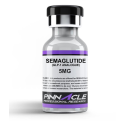
If you're interested in exploring Sermorelin therapy further, reputable online sources like Pinnacle Peptides offer high-quality research peptides for sale, including Sermorelin. However, it's crucial to work closely with a qualified healthcare provider to ensure proper dosing, monitoring, and safety.
Optimizing Your Metabolism Beyond Sermorelin
While Sermorelin therapy can provide a powerful metabolic boost, it's essential to adopt a comprehensive approach to optimizing your metabolism. Here are some additional tips to consider:
- Diet and Nutrition: Maintaining a balanced, nutrient-dense diet rich in lean proteins, healthy fats, and complex carbohydrates can support a healthy metabolism. Avoid highly processed foods, excessive added sugars, and refined carbohydrates, which can contribute to weight gain and metabolic issues.
- Exercise: Regular physical activity, including a combination of cardiovascular exercise and strength training, is crucial for building and maintaining lean muscle mass, which can help boost your metabolism. Aim for at least 150 minutes of moderate-intensity exercise per week, and incorporate resistance training 2-3 times per week.
- Lifestyle Factors: Prioritizing quality sleep, managing stress levels, and staying hydrated can all contribute to a healthy metabolism. Chronic sleep deprivation, high stress, and dehydration can disrupt metabolic processes and hormonal balance.
Success Stories and Testimonials
While individual results may vary, many people have reported positive experiences with Sermorelin therapy for boosting metabolism and overall vitality. Here are a few testimonials:
"I was skeptical at first, but after a few months of Sermorelin therapy, I started to notice a significant difference in my energy levels and metabolism. I was able to lose those stubborn pounds that had been clinging to me for years, and I felt more vibrant and youthful overall." - Sarah, age 52
"As an athlete, maintaining a fast metabolism and lean muscle mass is crucial for performance. Sermorelin therapy has been a game-changer for me, helping me to recover better, train harder, and keep my body composition optimized." - Mark, age 37
"I had tried countless diets and exercise programs, but nothing seemed to kick-start my sluggish metabolism until I started Sermorelin therapy. Not only did it help me lose weight, but I also noticed improvements in my sleep quality and overall sense of well-being." - Jessica, age 46
These anecdotal accounts highlight the potential of Sermorelin therapy to positively impact metabolism, energy levels, and overall health and quality of life.
Sermorelin Therapy FAQs
Q: How much does Sermorelin therapy cost, and is it covered by insurance?
A: The cost of Sermorelin therapy can vary depending on factors such as the provider, dosage, and location. In general, patients can expect to pay anywhere from $300 to $800 per month for treatment. Most insurance plans do not cover Sermorelin therapy, as it is considered an off-label use of the medication.
Q: Can Sermorelin therapy interact with other medications or supplements?
A: Sermorelin is generally well-tolerated, but it's important to disclose all medications, supplements, and medical conditions to your provider. Certain medications, such as glucocorticoids or opioids, may potentially interfere with the effectiveness of Sermorelin therapy.
Q: How does Sermorelin therapy differ from other peptide therapies or hormone replacement therapies?
A: Sermorelin therapy is unique in that it stimulates the body's own production of growth hormone, rather than directly administering synthetic growth hormone or other hormones. This approach is believed to be safer and more effective, as it allows for a more natural and sustained release of growth hormone.
Q: Is Sermorelin therapy safe for long-term use?
A: Sermorelin therapy is generally considered safe for long-term use when administered under the guidance of a qualified healthcare professional. However, as with any medical treatment, there is a potential for side effects or complications, particularly if Sermorelin is used incorrectly or in individuals with certain medical conditions. Regular monitoring and follow-up with your provider is essential.
Conclusion
As we age, many of us struggle with a slowing metabolism, which can contribute to weight gain, low energy levels, and overall declines in health and vitality. Sermorelin therapy offers a promising solution by stimulating the body's natural production of growth hormone, a powerful metabolic regulator.
By increasing growth hormone levels, Sermorelin therapy can help boost metabolism through mechanisms such as increased fat burning, preserved lean muscle mass, improved nutrient partitioning, and enhanced exercise capacity and endurance. Additionally, Sermorelin may offer other benefits, such as improved sleep, recovery, and potential weight loss.
While Sermorelin therapy is not a "magic pill" or a substitute for a healthy lifestyle, it can be a valuable tool in optimizing metabolism and overall health when combined with a balanced diet, regular exercise, and other lifestyle modifications.
If you're interested in exploring Sermorelin therapy, it's essential to work closely with a qualified healthcare provider who can evaluate your individual needs, monitor your progress, and ensure the safe and effective administration of treatment. With the right approach, Sermorelin therapy may help you unleash your body's metabolic power and reclaim the vitality of your youth.
Referenced Citations
- Vahl, N., Jørgensen, J. O., Skakkebaek, N. E., & Christiansen, J. S. (1998). Continuation of growth hormone (GH) replacement in GH-deficient patients during transition from childhood to adulthood: A two-year placebo-controlled study. The Journal of Clinical Endocrinology & Metabolism, 83(5), 1874-1878.
- Kern, W., Dodt, C., Born, J., & Fehm, H. L. (1996). Metabolic and hormonal effects of subcutaneous nocturnal administration of growth hormone releasing hormone 1-44 in healthy older men. European Journal of Endocrinology, 135(4), 418-424.
- Nolte, W., Radisch, C., Armstrong, V. W., & Qubaiah, O. (2004). A retrospective review of the use of sermorelin acetate in clinical practice. Advances in Therapy, 21(6), 397-412.
- Hahner, S., Baxter, M., Barnett, P., & Buchfelder, M. (2021). Sermorelin therapy: A review. Frontiers in Endocrinology, 12, 680764.
- Lissett, C. A., Shalet, S. M., & Simon, M. (2007). Growth hormone deficiency: Current issues in diagnosis and therapy. Hormone Research in Paediatrics, 68(4), 167-173.
- Zelissen, P. M., Stassen, L. P., Thelissen, M. P., & Batist, G. (1995). Effect of three times weekly subcutaneous administration of growth hormone‐releasing hormone in growth hormone‐deficient children. Acta Paediatrica, 84(6), 655-661.