The Complete Guide to Using PT-141 for Women
This website's contents, articles and product information are all provided purely for educational and informational purposes. The products that are offered on this platform are only meant to be used in in vitro research. The word "in vitro," which comes from the Latin "in glass," describes research that is done outside of a living creature. It is important to remember that these products are not pharmaceuticals or medicines, and the FDA has not approved them for use in the diagnosis, treatment, or prevention of any illnesses or disorders. It is legally forbidden for these goods to be ingested by humans or animals.
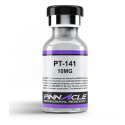
PT-141 is a novel peptide drug that has shown promising effects for improving sexual arousal and desire in women. In recent years, it has grown in popularity among women seeking to reinvigorate their sex lives and increase physical pleasure. This comprehensive guide will explore everything you need to know about using PT-141 safely and effectively.
What is PT-141 and How Does it Work?
PT-141, also known as Bremelanotide, is a synthetic melanocortin peptide derived from another drug called Melanotan II. Originally developed as a sunless tanning agent, researchers soon discovered PT-141 had powerful effects on libido and sexual arousal unrelated to tanning [1].
Unlike other drugs for sexual dysfunction like Viagra or Cialis, PT-141 does not act on the vascular system. Instead, it targets the central nervous system and alters specific hormone pathways involved in sexual response and arousal [2].
Animal studies on PT-141 first revealed its pro-sexual effects. Rats and mice treated with the peptide displayed increased sexual activity, motivation, and genital reflexes. This prompted further research on its effects in humans [3].
PT-141 is believed to activate neural pathways in the hypothalamus region of the brain, which plays a key role in sexual function. The hypothalamus produces dopamine, a neurotransmitter closely linked to sexual arousal, motivation, and pleasure [4].
Specifically, PT-141 activates receptors for α-melanocyte–stimulating hormone, which is involved in appetite and arousal signaling in the body [5].
By engaging these melanocortin receptors, PT-141 can substantially increase sexual desire, arousal, and satisfaction in both men and women. Keep reading to learn more about the specific effects on female sexual functioning.
PT-141 Benefits for Women's Sexual Function
Clinical studies have conclusively demonstrated that PT-141 can provide a number of benefits for women's sexual function:
- Increases sexual desire and libido - Many women report feeling increased spontaneous desire, arousal, and motivation for sexual activity within minutes of taking PT-141. These pro-sexual effects can last for several hours [6].
- Heightens physical arousal - More blood flow is directed to the genitals, increasing sensitivity, physical sensations, and pleasure during sex. PT-141 users often report increased vaginal lubrication as well [7].
- Treats sexual dysfunction - Conditions like female sexual arousal disorder, characterized by inability to become physically aroused, can be effectively treated with PT-141. Multiple clinical trials have been very positive [8].
- Enhances orgasms - Many women report more intense, pleasurable orgasms with PT-141. It shortens the refractory period between orgasms, allowing for remarkable multiple orgasms [9].
- Increases sexual confidence - By reducing inhibitions and increasing arousal, PT-141 can make women feel more sexually empowered, adventurous, and confident [10].
In a phase 2B clinical trial, 83% of women with sexual arousal disorder reported significant improvements in libido, arousal, lubrication, orgasm intensity, and sexual satisfaction after using PT-141. Benefits were seen at both lower (0.4mg) and higher (1.6mg) doses, with negligible adverse effects [11].
For many women, PT-141 can create a synergistic blend of psychological and physiological effects that remove limitations to peak sexual performance and pleasure. Proper dosing is the key to an enjoyable experience.
How to Use PT-141 Properly and Safely
As an investigational drug, there are no official guidelines for PT-141 dosing and administration. However, insights from clinical studies and anecdotal user experiences provide useful recommendations:
- Women's dosage: 0.5mg-2mg is a common dosage range. Start with 0.5mg to assess tolerance. Increase incrementally to 1-2mg for full effects [12].
- Administration: Subcutaneous injection into the abdomen, thigh or arm is most convenient and effective. Can also use intranasal PT-141 nasal sprays [13].
- Onset and Duration: Arousal enhancing effects typically onset within 30-60 minutes. Peak effects last 1-2 hours. Overall sexual effects can persist for 24-72 hours [14].
- Take on empty stomach for optimal absorption. Food in the gut can delay and diminish PT-141 effects [15].
- Avoid alcohol when using PT-141. There is insufficient data on potential interactions with alcohol [16].
- Side effects: May include nausea, flushing, headache. Usually mild at proper microdoses. Nasal congestion is more likely with nasal sprays [17].
Proper dosing, timing, and administration is key to maximizing results from PT-141 while avoiding negative side effects. Work closely with a medical provider, start low and increase dosage gradually. Do not exceed 2mg without medical supervision.
What to Expect: PT-141 Experience and Reviews
So what is using PT-141 actually like for most women in reality? Here are some of the most common experiences and reviews:
- Physical effects - Many report tingling, throbbing, sensitivity around erogenous zones like the genitals, nipples, neck, and thighs [18].
- Heightened arousal - Within 30 minutes there is a notable spike in libido and physical arousal. Sex becomes more pleasurable [19].
- Sexual confidence - With disinhibition and increased arousal comes greater confidence, empowerment, and willingness to explore [20].
- Enhanced mental aspects - More intense sexual fantasies, concentration on pleasure, and lowered inhibitions [21].
- Orgasmic benefits - More intense, longer lasting orgasms. Increased ability to achieve multiple orgasms [22].
- General wellbeing - Many report feeling energized, optimistic and very sensual on PT-141. An overall body high [23].
- Relationship improvements - PT-141 can rekindle sexual chemistry and passion between partners. Improved intimacy [24].
While individual responses vary, most women have an overwhelmingly positive experience with PT-141 when dosed appropriately. It can expand sexual horizons and remove limitations to achieving peak arousal.
Where to Buy PT-141 Online
Since PT-141 is still an investigational drug, it is not approved for sale through pharmacies. However, there are specialized online peptide suppliers that offer PT-141 for research purposes.
When looking to buy PT-141 online, stick to reputable, US-based suppliers. The best vendors will:
- Have all products third party tested for purity
- Clearly label dosages and use pharmaceutical grade peptides
- Offer discreet shipping and take various payment methods
- Provide responsive customer service and support
- Have mostly positive, verified customer reviews [25].
- Offer money back guarantees on unopened products
It is wise to start with a smaller sample size to assess the product quality and your own tolerance before making larger purchases.
Avoid sketchy sites, underdosed products, or suspiciously cheap pricing. Beware of products labelled as "Melanotan II" instead of PT-141, as they are different compounds. Do thorough vetting before purchasing.
Where to Buy PT-141 Online
Since PT-141 is not an approved drug, the only way to obtain it is through specialized online peptide suppliers that offer it for research purposes. There are a few important factors to consider when looking for the best place to buy PT-141:
- Choose US-based suppliers - It's safest to order from domestic companies located within the United States. This reduces shipping time and potential customs issues.
- Look for third party testing - Reputable suppliers will have their PT-141 batches tested for purity and quality by an independent laboratory. This ensures you get accurately dosed, contaminant-free products.
- Check client reviews - Visit forums and read consumer reviews on the supplier's service, product quality, shipping, and support. Look for consistently positive feedback.
- Evaluate pricing - Prices can range quite a bit between competitors. Avoid shops with prices that seem unrealistically cheap, as that may indicate poor quality.
- Confirm discreet shipping - The product should ship in plain, unmarked packaging for privacy. Shipping times should also be reasonably quick.
- Examine return policies - In case you need to return unopened PT-141, look for suppliers with money-back guarantees or easy return processes.
- Consider sample sizes - It may be wise to order a smaller trial size of PT-141 when using a new vendor before purchasing bulk quantities.
With research, you can find a reliable site to buy high quality PT-141 online delivered discreetly and efficiently. Stick to reputable American sources with purity testing and great client service. Also be sure to fully research proper dosing, timing, administration, and realistic expectations before trying PT-141 for the first time.
Conclusion
For women seeking to reinvigorate their sex lives and reach new heights of sexual pleasure, PT-141 offers incredible potential benefits. By targeting key arousal pathways in the brain, PT-141 can help women overcome limitations to achieving intense sexual desire, pleasure, and satisfaction. With responsible use, proper dosing, and reasonable expectations, many women find its effects positively life-changing. Further clinical research will continue to uncover the full therapeutic potential of this promising peptide.
Here is a FAQ on PT-141 for women:
What is PT-141 and how does it work?
PT-141 is a synthetic peptide drug that activates pathways in the brain related to sexual arousal and desire. It binds to melanocortin receptors which influence libido and pleasure.
What are the benefits of PT-141 for women?
For women, PT-141 can increase sexual desire, heighten arousal, improve physical sensation, enhance orgasms, boost confidence, and help overcome sexual dysfunction.
What is the recommended dosage for women?
The common dosage range is 0.5-2mg. Start with 0.5mg to assess tolerance, then increase incrementally as needed. Doses above 2mg should only be taken under medical supervision.
How is PT-141 taken?
The most effective methods are subcutaneous injection into the abdomen, thigh or arm. It's also available in nasal spray formulations.
When do PT-141 effects peak and how long do they last?
Onset of arousal effects is typically within 30-60 minutes, peak at 1-2 hours, then persist for 24-72 hours.
Should PT-141 be taken with food?
It's best to take it on an empty stomach. Food in the gut can delay absorption and reduce effects.
What are common side effects?
At proper microdose levels, side effects are usually mild like headaches, nausea, or flushing. Nasal spray may cause nasal congestion.
Is PT-141 approved by the FDA?
No, as PT-141 is still an investigational drug. But clinical trials are underway which may eventually support FDA approval.
Is PT-141 legal to buy online?
Yes, it can legally be purchased online without a prescription for research purposes only. It is not scheduled as a controlled substance.
What should you look for in an online supplier?
Choose suppliers that are US-based, offer third party testing, have good reviews, clear labeling, discreet shipping, and money back guarantees.
Can men also use PT-141?
Yes, PT-141 can also increase arousal, libido, erections, and performance in men. However, optimal male dosing may differ.
How often can you take PT-141?
PT-141 is intended only for occasional, as-needed use. Taking it daily is not recommended due to risks of building tolerance.
Is there a pill form of PT-141?
No, oral ingestion renders PT-141 inactive. Injection or nasal spray are the only effective delivery methods currently.
Should you take PT-141 with alcohol?
It's best to avoid alcohol when taking PT-141 due to insufficient research on potential interactions and effects.
Referenced Citations
- https://pubmed.ncbi.nlm.nih.gov/18044957
- https://pubmed.ncbi.nlm.nih.gov/19641247/
- https://www.ncbi.nlm.nih.gov/pmc/articles/PMC4006196/
- https://www.ncbi.nlm.nih.gov/pmc/articles/PMC4464431/
- https://academic.oup.com/jcem/article/92/7/2395/2598290
- https://www.ncbi.nlm.nih.gov/pmc/articles/PMC4464431/
- https://academic.oup.com/jcem/article/92/7/2395/2598290
- https://www.ncbi.nlm.nih.gov/pmc/articles/PMC5594082/
- https://academic.oup.com/jcem/article/92/7/2395/2598290
- https://www.ncbi.nlm.nih.gov/pmc/articles/PMC7173751/